Social Revolutions of my life (so far) – intro
#writing #organizing #revolution
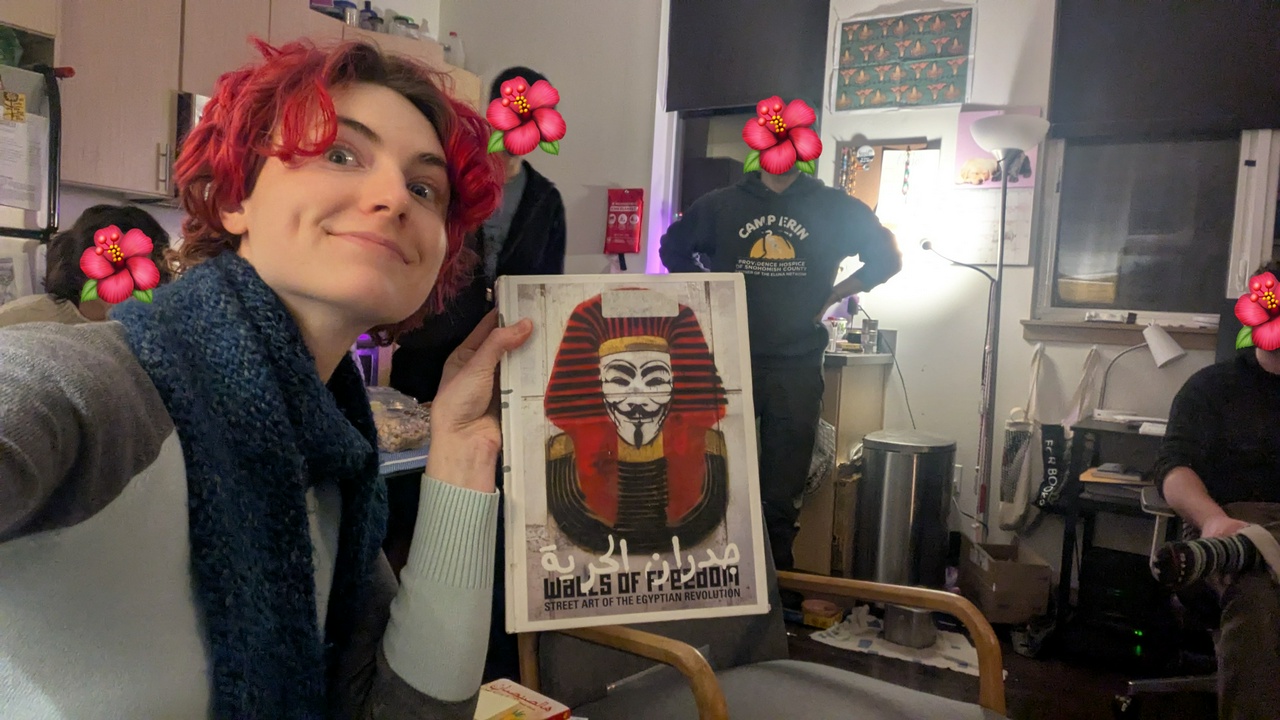
me with some rad friends
I was thinking the other day about how things can change so massively, so quickly — and how we get used to monumental changes. And even in the midst of profound backsliding and reactionary violence, I have been inspired by Rebecca Solnit’s Hope in the Dark, originally published in 2004, but with ever-renewed relevance in our oft-darkened world.
…the more profound revolutions that had unfolded in our lifetimes, around race, gender, sexuality, food, economics, and so much more, the slow incremental victories that begin in the imagination and change the rules. But seeing those revolutions requires looking for something very different than armed cadres. It also requires being able to recognize the shades of gray between black and white or maybe to see the world in full color.
-Rebecca Solnit, Hope in the Dark
In this series, I’m going to walk through what I perceive as some of the major “social revolutions” of my brief 28 years on this planet.
Pretty much all of my examples have also been followed by backlashes, but that is to be expected. Dealing with the backlash for each one will probably look different from community to community, but I think it's important to note the shifts that have taken place, because they represent spaces of possibility.
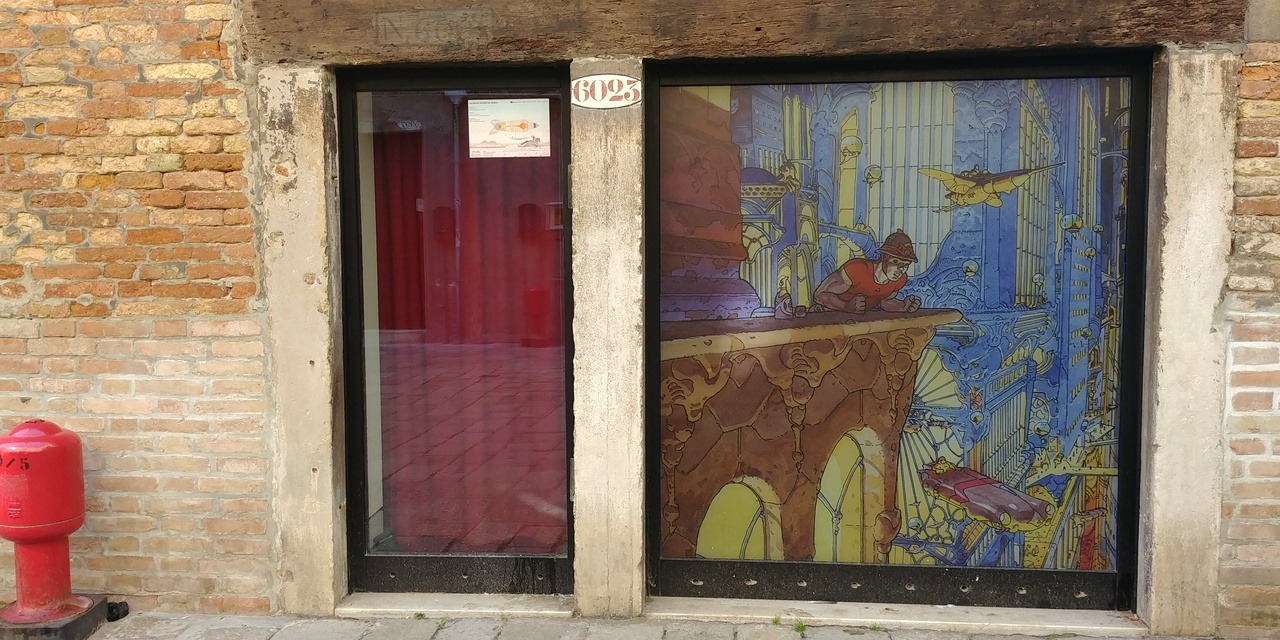
source: my photo from Venice in 2019, artwork by Mœbius
Although I don't believe in teleological views of history or a linear idea of progress — or even the arc of the universe bending one way or another — I do believe that once the genie is out of the bottle, once an idea becomes a meme, it begins to reproduce itself, and it takes deliberate and sustained effort from the ruling classes to make people forget.
This is one reason people's history, labor history, women's history, pre-colonial anthropology are so heavily suppressed.
So I take these social revolutions not as “evidence of progress” per se, but as genies the ruling classes are desperately trying to shove back in their bottles. Will they succeed? Or will we manage to keep them free?
That remains up to us.